Build a Wellness Plan That Actually Works for You
Health & Wellness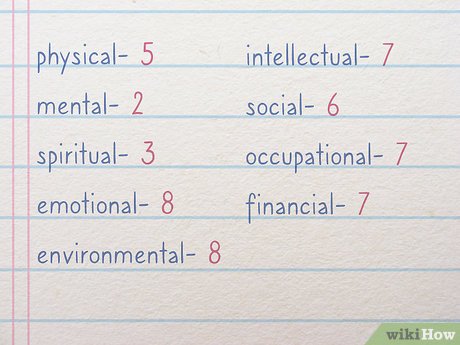
A wellness plan isn’t just a trendy concept - it’s a practical roadmap to living better. And the best part? You get to design it around your life, your needs, and your goals. Whether you’re feeling burned out, uninspired, or simply ready to level up, creating a personalized wellness plan is one of the most powerful things you can do for yourself.
Start With an Honest Self-Assessment
Before you set a single goal, you need to know where you actually stand. Wellness is surprisingly broad. Most experts recognize at least eight dimensions: physical, nutritional, mental, emotional, social, spiritual, intellectual, occupational, financial, and environmental. Yes, that’s a lot - but don’t let it overwhelm you.
Take some quiet time to reflect on each area. Be honest. Where do you feel energized and fulfilled? Where do you feel depleted or stuck? Maybe your physical health is solid but your financial stress keeps you up at night. Or perhaps your social life is thriving while your mental wellness is quietly struggling. No judgment here - this is just information.
Define What Each Dimension Means to You
Each wellness dimension deserves a closer look. Physical wellness covers fitness, nutrition, and preventative healthcare habits like regular check-ups. Mental wellness is about how you handle stress and emotional balance. Spiritual wellness isn’t necessarily about religion - it’s about finding meaning and purpose in your life. Intellectual wellness involves keeping your mind active through learning and creative thinking. Occupational wellness is tied to how fulfilling and positive your work life feels. Financial wellness means feeling stable and secure with your money. Environmental wellness reflects your relationship with the world around you.
Understanding these distinctions helps you pinpoint exactly where to focus your energy - instead of trying to fix everything at once and burning out fast.
Set Goals That Are Actually Achievable
Here’s where most people go wrong: they set enormous, ambitious goals right out of the gate. Then life happens, motivation dips, and the whole plan falls apart. Start small. Seriously. A goal like “exercise three times a week” is far more sustainable than “transform my entire body in 30 days.”
For each area that needs attention, write down one or two concrete, realistic goals. Keep them specific and time-bound. “I will go for a 20-minute walk every morning” beats “I will get healthier” every single time. Small wins build momentum. Momentum builds habits. Habits build lasting change.
Track Your Progress and Stay Flexible
A journal or simple chart can work wonders here. Write down your goals for each wellness dimension and track how things are going week by week. Seeing progress - even tiny progress - is incredibly motivating. And when things aren’t going as planned, that’s valuable data too.
Revisit your wellness plan every six months or so. Your needs will evolve. Goals that felt urgent six months ago might no longer apply. New priorities will emerge. That’s not failure - that’s growth. Updating your plan regularly keeps it aligned with who you’re becoming, not just who you were when you started.
Build Your Support System
Don’t go it alone. Sharing your wellness goals with trusted friends, family members, or a health professional makes a huge difference. A good support system keeps you accountable on the tough days, celebrates your wins with you, and might even join you on parts of the journey. Community is genuinely good medicine.
Your wellness plan doesn’t have to be perfect. It just has to be yours. Start today - even one small, intentional step counts.