Build Your Dream Home Gym Without Breaking the Bank
Home & Living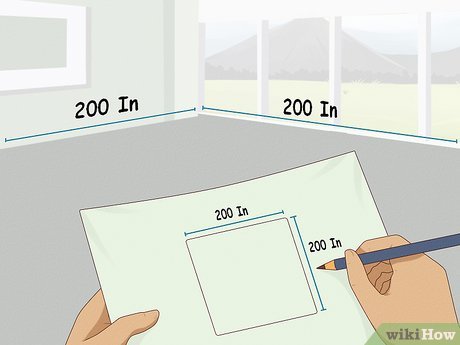
Start With a Plan, Not a Purchase
Before you buy a single piece of equipment, take a breath. Grab a tape measure and map out your workout space. Write down the dimensions. Count the outlets. Know what you’re working with - because nothing kills gym motivation faster than a treadmill that doesn’t fit through the door.
Next, get clear on your fitness goals. Endurance? Strength? Flexibility? All three? Your goals are your shopping list. Without them, you’re just buying stuff that looks impressive and collects dust.
Skip the Machines, Keep the Money
Here’s a truth the fitness industry doesn’t love: you don’t need bulky, expensive machines. Most exercises can be performed with a handful of affordable, versatile items. Machines are convenient, sure - but they’re also costly, space-hungry, and often redundant.
For cardio, look online. There are hundreds of free, high-intensity workouts that require zero equipment. Yoga and pilates deliver incredible results with nothing but a mat and a bit of floor space. Free is a hard price to beat.
The Budget-Friendly Equipment Worth Every Penny
Some gear genuinely punches above its weight. Here’s what actually deserves space in your home gym:
Foam roller - Starting around $10, this little cylinder works wonders for muscle recovery and flexibility. No budget for even that? Wrap a length of PVC pipe in a beach towel. Done.
Ab wheel - Under $20 and far more effective than endless crunches. Simple, compact, and surprisingly brutal.
Stability ball - One of the most versatile tools in fitness. It outperforms crunches for core work, supports the spine, and can even substitute as a bench for certain exercises.
Dumbbells - If you can only buy one thing for strength training, make it dumbbells. They’re compact, affordable, and form the foundation of any solid home gym.
Resistance bands - Cheap, portable, and incredibly effective. You can swap them into almost any dumbbell exercise and anchor them to emulate cable machines.
Pull-up bar - Around $15–$20 and it fits in a doorframe. Look for one that doubles as a push-up and tricep dip bar. Versatility in a slim metal tube.
Smart Splurges That Pay Off
If you have a little more to spend, two items are genuinely worth the investment.
A stationary bike is your best bet for a cardio machine. Quality models run a couple hundred dollars - far less than a treadmill - and they’re adjustable, so fit is never an issue. A high-quality adjustable bench is the other big win. One bench replaces three: flat, incline, and decline. That alone saves hundreds of dollars and serious floor space.
For the truly committed lifter, an Olympic bar with rubber-coated bumper plates opens up a whole new world of strength training.
DIY Options That Actually Work
Don’t overlook what you can build yourself. Sandbags made from old duffel bags filled with sand or gravel make surprisingly effective training tools. A pull sled? Just a tow rope attached to a sturdy tire. Leg strength and total-body conditioning, no gym required.
Set Up Your Space for Success
Equipment matters, but so does your environment. Keep your gym in a quiet, dedicated space - somewhere with minimal distractions. Add padded flooring to protect your joints, especially if you’re working on hard floors. Mount a mirror on the wall to check your form when there’s no training partner around.
Toss a stereo or TV in the corner too. Research actually links music with the right tempo to longer, more effective workouts. And if you love following along with exercise videos, a screen is a genuine game-changer.
Your perfect home gym doesn’t have to cost a fortune. It just has to work for you.