7 Smart Ways to Find a Hobby You'll Actually Stick With
Curiosities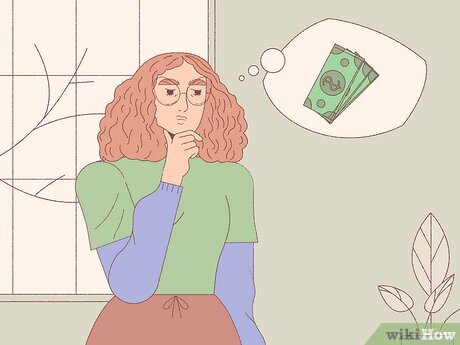
Finding a hobby that truly fits your life can be life-changing - boosting your mood, sharpening your mind, and giving you something to genuinely look forward to. The tricky part? Picking one you’ll actually keep doing. If you’ve ever signed up for a pottery class or bought a guitar only to abandon it three weeks later, you’re not alone. Here’s how to break that cycle and find something that really sticks.
Know Your Budget and Schedule Before Anything Else
Before you fall in love with an idea, get honest about two things: your money and your time. Some hobbies - like oil painting or cycling - can get expensive fast, while others, like journaling or hiking, cost almost nothing. Similarly, if your week is already packed, committing to something that demands hours of daily practice is a recipe for guilt, not fun. Think realistically about what you can afford and how many hours per week you can genuinely dedicate, then let those boundaries guide your search.
Be Honest About Your Social Needs
Are you someone who recharges around people, or do you prefer your own company? This matters more than most people realize. A naturally social person will likely find solo hobbies - like solo reading or individual crafting - feel isolating over time. Meanwhile, an introvert might dread a weekly group cooking class. Match the hobby’s social vibe to your personality, and you’re already halfway to sticking with it.
Follow Your Genuine Excitement
A hobby is supposed to be fun - so don’t pick one because it sounds impressive or because your friend loves it. Sit down and make a list of everything that genuinely fascinates, excites, or energizes you. Notice patterns. Do you love stories? Maybe writing, podcasting, or book clubs are your thing. Do you get a thrill from physical challenges? Rock climbing or martial arts could be calling your name. Your list is a map - use it.
Decide Whether You Want Comfort or a Challenge
Some people unwind best by doing something they’re already naturally good at - and that’s completely valid. Others get bored without a steep learning curve. Knowing which type you are helps enormously. If you want relaxation, lean into existing skills. If you crave growth, deliberately pick something that pushes you outside your comfort zone. Neither approach is wrong; what matters is that the hobby serves you.
Use the Buddy System and Find Your Community
One of the most powerful ways to stick with a new hobby is to bring someone along for the ride. When you and a friend commit together, you keep each other accountable and make the experience more enjoyable. Beyond that, look for clubs, classes, or online communities built around your hobby. Whether it’s a local choir, a weekend hiking group, or a subreddit full of enthusiastic knitters, community support can transform a passing interest into a lasting passion.
Start Small and Be Patient With Yourself
One of the biggest mistakes people make is going all-in immediately - buying all the gear, blocking off entire weekends, expecting to be good right away. Instead, start with just a few minutes a day and build gradually. And when you’re not instantly great at something new, remind yourself that skill-building takes time. Patience isn’t weakness; it’s what separates people who develop real hobbies from those who give up after two sessions.
Give It a Real Shot - Then Let Go If It’s Not Working
Finally, remember that it’s perfectly okay to try something and decide it’s not for you. The goal is to de-stress and enjoy yourself - not to stick with something out of stubbornness. Give every hobby a genuine, fair chance, but if it’s adding stress rather than relieving it, move on without guilt. The hobby you’ll stick with long-term is simply the one you actually like. Keep exploring until you find it.